2026-11-14 · Jake Thornton
How to Handle Water Damage After Spring Storms Along the Trinity River
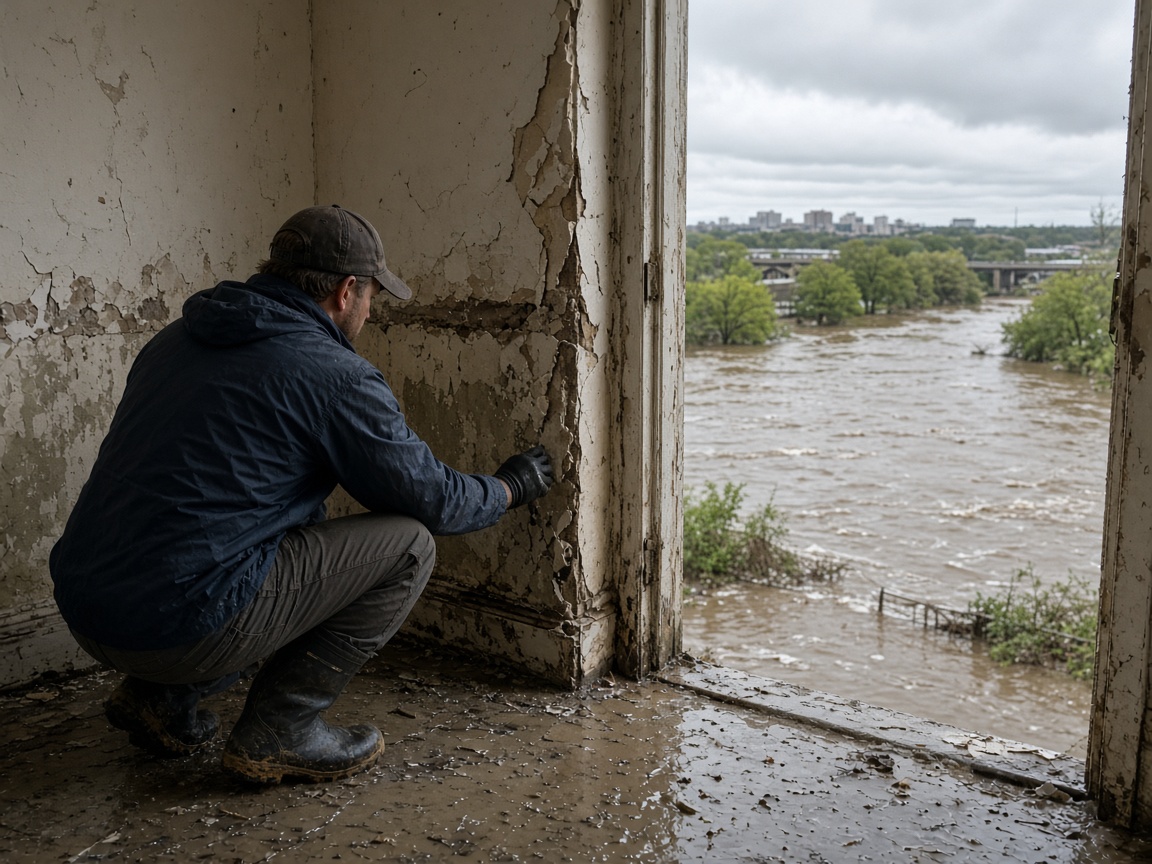
After spring storms push Trinity River water into Fort Worth yards and foundations, begin by shutting off electricity to affected areas if safe, then arrange professional water extraction within 24 hours to stop saturation of wood framing and drywall common in Arlington Heights and Cultural District homes.
Assess Safety and Initial Damage Along the Trinity River
Spring rains swell the Trinity River and back up into neighborhoods such as Downtown and the Stockyards where older housing stock sits on flatter terrain. Walk only dry surfaces and watch for hidden electrical risks near outlets or appliances. Document visible water lines on walls with photos before any cleanup begins. In Tarrant County the humid subtropical climate keeps moisture levels high even after the rain stops, so note how far water traveled into crawl spaces or under TCU-area slabs. Homes built before 1970 often have plaster walls that hold water longer than modern drywall, changing how quickly you must act. Check nearby streets in Arlington or Mansfield for similar reports to understand if the event was isolated or widespread.
Perform Water Extraction and Containment
Remove standing water first using pumps rated for 50 gallons per minute or more on larger volumes that collect near the river corridor. Focus on carpet pads and insulation in affected rooms because these materials trap moisture and feed mold within 48 hours under Fort Worth's mild spring temperatures. Place barriers around doorways to keep water from migrating into unaffected spaces like hallways in Stockyards-era buildings. For properties near Sundance Square or Kimbell Art Museum, coordinate with neighbors if shared drainage systems are involved. Extraction crews typically finish the bulk removal in one day on standard 1,500-square-foot homes, though deeper saturation in older foundations may require follow-up visits. Avoid fans at this stage because they can spread contaminants before the bulk water is gone.
Dry and Dehumidify Structures in Local Conditions
After extraction, run commercial dehumidifiers set to 45-50 percent relative humidity to pull residual moisture from joists and subfloors common in Arlington Heights properties. Monitor moisture meters daily because Tarrant County's humidity can slow drying by several days compared with drier regions. Place air movers at 45-degree angles along baseboards to create airflow without forcing damp air into wall cavities. In homes near the Cultural District, check behind built-in cabinetry where river sediment often settles. Expect full drying to take 5-7 days for moderate cases and up to 10 days when water reached second stories. Keep interior temperatures between 70-75 degrees to speed evaporation without encouraging mold spores that thrive in the area's subtropical pattern.
Prevent Mold and Address Hidden Issues
Inspect for hidden leaks behind tile or under TCU Stadium-adjacent homes where older plumbing runs parallel to the river. Detecting Hidden Leaks in Older Homes Around Arlington Heights explains common entry points in pre-1960 construction. Remove and replace any drywall that stayed wet longer than 48 hours. Apply antimicrobial treatments only after surfaces are fully dry to avoid trapping moisture. In Keller and Mansfield homes with slab foundations, watch for efflorescence on concrete as a sign of ongoing seepage from river-adjacent soils. Regular checks every 48 hours during the first week catch early growth before it spreads into HVAC systems.
Know When Professional Water Damage Restoration Is Required
Call specialists if water reached electrical panels, affected more than 100 square feet, or entered from outside the Trinity River banks. Water Damage Restoration teams bring equipment sized for the volume typical after local storms. Water Damage Repair follows once drying is complete to restore flooring and trim in neighborhoods like the Stockyards. Properties in Arlington often need coordinated scheduling because multiple homes flood simultaneously. Owners in these situations gain from crews familiar with Tarrant County soil types that retain river sediment and prolong drying times.